1.28.2022

Falafael


  • 2 cups dried chickpeas (Do NOT use canned or cooked chickpeas)
  • 1/2 tsp baking soda
  • 1 cup fresh parsley leaves, stems removed
  • 3/4 cup fresh cilantro leaves, stems removed
  • 1/2 cup fresh dill, stems removed
  • 1 small onion, quartered
  • 7-8 garlic cloves, peeled
  • Salt to taste
  • 1 tbsp ground black pepper
  • 1 tbsp ground cumin
  • 1 tbsp ground coriander
  • 1 tsp cayenne pepper, optional
  • 1 tsp baking powder
  • 2 tbsp toasted sesame seeds
  • Oil for frying

Falafel Sauce

  • Tahini Sauce

FIXINGS FOR FALAFEL SANDWICH (OPTIONAL)

  • Pita pockets
  • English cucumbers, chopped or diced
  • Tomatoes, chopped or diced
  • Baby Arugula
  • Pickles

INSTRUCTIONS

1. (One day in advance) Place the dried chickpeas and baking soda in a large bowl filled with water to cover the chickpeas by at least 2 inches. Soak overnight for 18 hours (longer  if the chickpeas are still too hard). When ready, drain the chickpeas completely and pat them dry.


2. Add the chickpeas, herbs, onions, garlic and spices to the large bowl of a food processor fitted with a blade. Run the food processor 40 seconds at a time until all is well combined forming a the falafel mixture.


3. Transfer the falafel mixture to a container and cover tightly. Refrigerate for at least 1 hour or (up to one whole night) until ready to cook.
Just before frying, add the baking powder and sesame seeds to the falafel mixture and stir with a spoon.
Scoop tablespoonfuls of the falafel mixture and form into patties (1/2 inch in thickness each). It helps to have wet hands as you form the patties.


4. Fill a medium saucepan 3 inches up with oil. Heat the oil on medium-high until it bubbles softly. Carefully drop the falafel patties in the oil, let them fry for about 3 to 5 minutes or so until crispy and medium brown on the outside. Avoid crowding the falafel in the saucepan, fry them in batches if necessary.


5. Place the fried falafel patties in a colander or plate lined with paper towels to drain.
Serve falafel hot next to other small plates; or assemble the falafel patties in pita
bread with tahini or hummus, arugula, tomato and cucumbers. Enjoy!

NOTES

  • Cook's Tip: You need to start with dry chickpeas, do not use canned chickpeas here. You will need to begin soaking the chickpeas overnight, allow up to 24 hours.
  • Falafel Recipe variations: Variations of this recipe may call for flour or eggs. If you prefer, you can add 1 to 1 1/2 tbsp of flour to the falafel mix or 1 egg. I did not use either, and the falafel mixture stayed well together.
  • Pro Tip for Frying: When you fry the falafel patties, you want to achieve a deep golden brown color on the outside. More importantly, the patties need to be fully done on the inside. Your frying oil needs to be at 375 degrees F, for my stove, that was at a medium-high temp. Be sure to test your first batch and adjust the frying time as needed.
  • Baked Falafel Option: If you prefer, you can bake the falafel patties in a 350 degree F heated oven for about 15-20 minutes, turning them over midway through. Use a lightly oiled sheet pan, and you might like to give the patties a quick brush of extra virgin olive oil before baking.
  • Pro-Tip for Make-Ahead: To make ahead and freeze, prepare the falafel mixture and divide into patties (up to step #6). Place the patties on a baking sheet lined with parchment paper and freeze. When they harden, you can transfer the falafel patties into a freezer bag. They will keep well in the freezer for a month or so. You can fry or bake them from frozen.


1.27.2022

Tahini cookies


  • 1 3/4 sticks (7 oz) unsalted butter, at room temperature
  • 1 cup sugar
  • 1 cup tahini paste
  • 2 cups all-purpose flour
  • 1 tsp baking powder
  • pinch salt
  • Powdered sugar, optional

INSTRUCTIONS

1. In a large bowl combine the butter and sugar. Using a hand mixer on medium speed, combine until light and fluffy. 
2. Now add the tahini and continue mixing on medium speed until well-incorporated. 
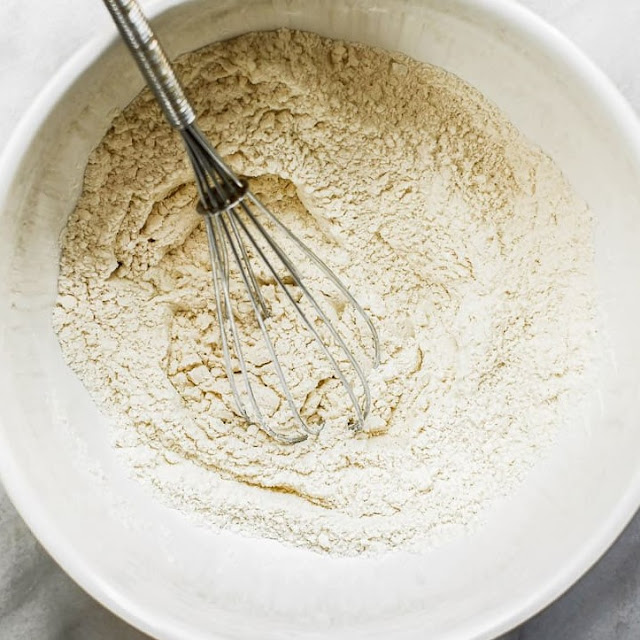
In a separate mixing bowl, combine the flour, baking powder, and salt. 


3. Transfer the dry ingredients to the tahini mixture, and mix until well-incorporated into a dough. 


4. Take the tahini cookie dough out of the bowl and make it into a log (about 2 inches in diameter). Place the log on the short end of a large piece of plastic wrap. Roll the wrap twisting the ends in opposite direction so that the dough log is tightly wrapped. Refrigerate for at least one hour or overnight. 

5. Preheat the oven to 350 degrees F. 
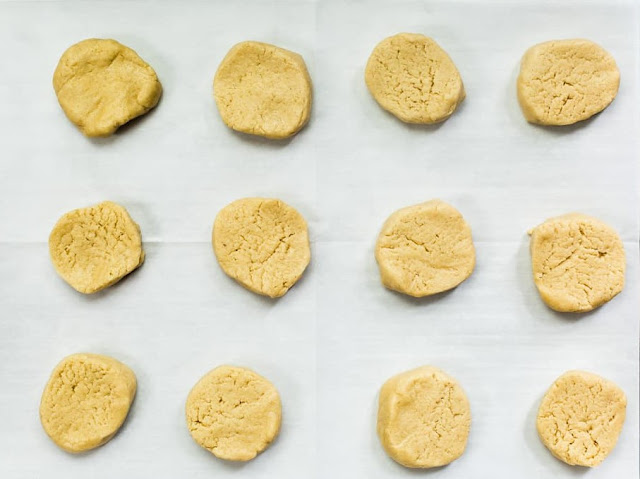
Slice the dough into 1/3 to 1/2 inch rounds, and arrange on a very large baking sheet (or two baking sheets) lined with parchment paper. 


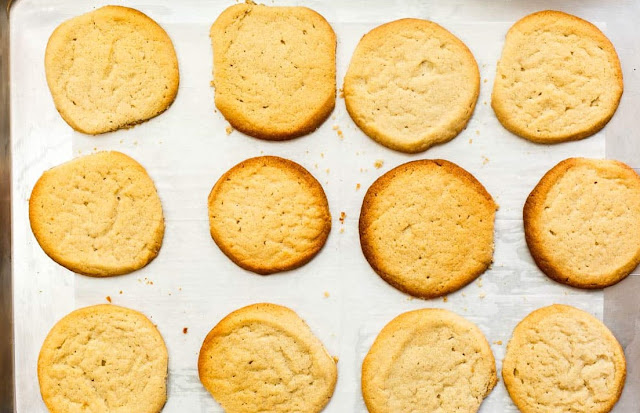
6. Bake in the 350 degrees heated oven for 15 minutes or so until the cookies are light brown around the edges and set. 


7. Remove from the heat and leave the cookies in the baking sheets to cool briefly (about 10 minutes). Then transfer to a cooling rack to completely cool. Dust with powdered sugar, if you like.

NOTES
  • Important note: before you begin, make sure you have at least 1 hour for the cookie dough to chill. Chilling the dough is an essential step and you can do it for 1 hour or overnight.
  • To store: be sure the tahini cookies are fully cooled before transferring to an air-tight container or canister. Be sure to cover tightly. They will keep for up to 1 week at room temperature. Or you can store them in the freezer for up to 6 months, but be sure that the cookies are well-protected.


Roast leg of a Lamb with potatoes


  • 1 4 to 5 lb leg of lamb, bone-in, fat trimmed
  • Salt and pepper
  • Extra virgin olive oil 
  • 5 garlic cloves, peeled and sliced; more for later
  • 2 cups water
  • 8 gold potatoes, peeled and cut into wedges
  • 1 yellow onion, peeled and cut into wedges
  • 1 tsp paprika; more for later
  • 1 tsp all-natural garlic powder
  • Fresh parsley for garnish, optional

FOR THE RUB:

  • 15 garlic cloves, peeled
  • 2 tbsp dried oregano
  • 2 tbsp dried mint flakes
  • 1 tbsp paprika
  • 1/2 tbsp ground nutmeg
  • 1/2 cup olive oil 
  • 2 lemons, juice of

INSTRUCTIONS

  1. Take the leg of lamb out of the refrigerator and leave in room temperature for about 1 hour. In the meantime, prepare the remaining ingredients and make the lamb rub.
  2. To make the rub, in a food processor, combine the rub ingredients. Blend until smooth. Set aside (or in the fridge, if preparing in advance).


3. When ready, pat the lamb dry and make a few slits on both sides. Season with salt and pepper.


4. Turn the oven on broil. Place the leg of lamb on a wire rack; place the rack directly on the top oven rack so that it's only a few inches away from the broiler element. Broil for 5-7 minutes on each side or until the leg of lamb is nicely seared. Remove from the oven, then adjust the oven temperature to 325 degrees F.


5. When the lamb is cool enough to handle, insert the garlic slices in the slits you made earlier. Now cover the leg of lamb on all sides with the wet rub and place it in the middle of a roasting pan with an inside rack
. Add two cups of water to the bottom of the roasting pan.Season the potato and onion wedges with the paprika, garlic powder and a little salt, then add them to the pan on either side of the lamb.

6. Now tent a large piece of foil over the roasting pan (make sure it does not touch the lamb) then place the pan on the middle rack of the 325 degrees F heated-oven. Roast covered for about 1 hour. Remove the foil and return the roasting pan to the oven for another 10 to 15 minutes or until the lamb temperature registers 130 degrees F for medium-rare.

7. Remove the pan from the oven and let the leg of lamb rest for about 15 minutes before serving (the lamb will continue to cook and it's internal temperature will continue to rise.

8. Place the lamb and potatoes in a large serving platter over a bed of
 rice, if you choose to. Garnish with parsley.Or, you may carve the lamb first, then arrange the sliced lamb with the potatoes over the rice. Enjoy!

NOTES

  • Tip for buying: When you purchase ask the butcher to trim the fat.
  • How long to roast? Avoid overcooking. The following is a quick guide for cooking at 325 degrees F (and remember that with the resting time, the lamb will continue to cook and its internal temperature will rise): Rare: About 15 minutes per pound or until internal temperature registers 125 degrees F. Medium-Rare: About 20 minutes per pound or until internal temperature registers 130°F to 135°F. Medium: About 25 minutes per pound or until internal temperature registers 135°F to 140°F. Well-Done: About 30 minutes per pound or until internal temperature registers 155°F to 165°F.
  • Storage and freezing instructions: Leftover lamb roast will keep in the fridge for 3 days or so. Just be sure the lamb has cooled before transferring to tight-lid glass containers to refrigerate. You can also freeze cooked lamb leg. I typically carve remove the bone and store the lamb in freezer-safe containers or zip-top bags for up to 2 months or so. Thaw overnight in the fridge. Reheat in the oven, covered, with a bit of liquid in the baking pan.


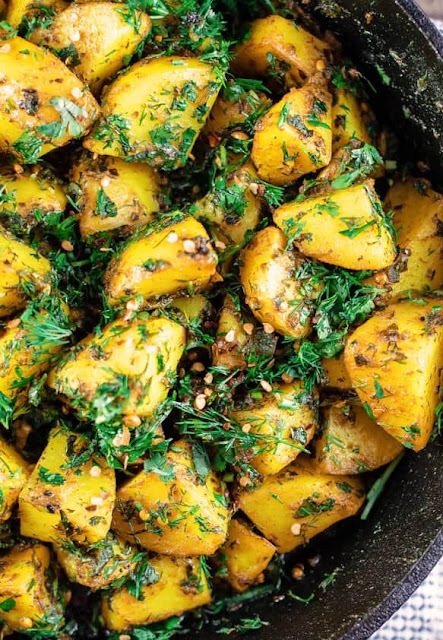
Harra Potatoes

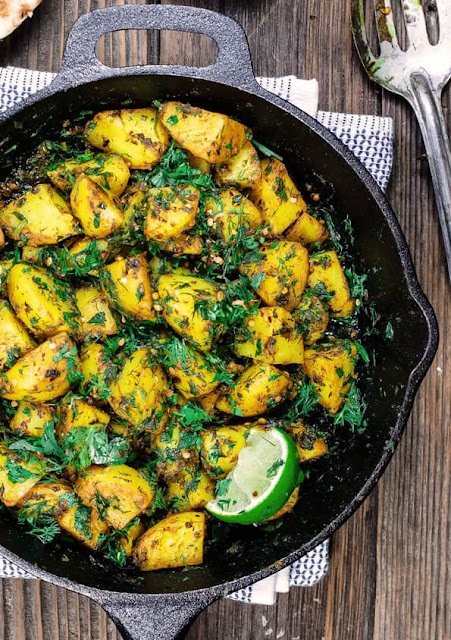
 Quick Middle Eastern skillet potatoes pack tons of flavor from garlic, fresh herbs, and a unique mix of warm spices. A splash of lime juice adds a little extra brightness.

  • 6 medium-sized gold potatoes, peeled
  • Water
  • 3 tbsp extra virgin olive oil
  • 2 garlic cloves, minced
  • 2 tsp coriander seeds or a little more than 1 tsp ground coriander
  • 1 tsp crushed red pepper flakes, more for later
  • 2 tsp ground turmeric
  • 1 lime, juiced
  • 1 cup chopped fresh cilantro leaves
  • 1 cup chopped fresh parsley leaves
  • 1 cup chopped fresh dill
  • Salt and pepper

INSTRUCTIONS

  1. Peel the potatoes and place them in a large pot with enough water to cover them. Bring to a boil, and let them cook in the boiling water for 10 minutes or so. The potatoes should be cooked through but still firm.

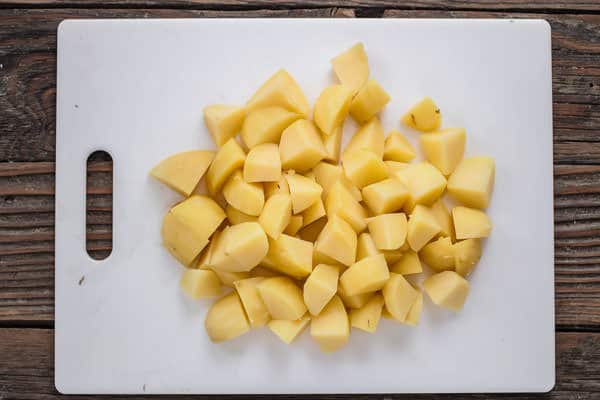
  2. Drain the potatoes and let them cool briefly. Cut the potatoes in smaller bite-size cubes or pieces.


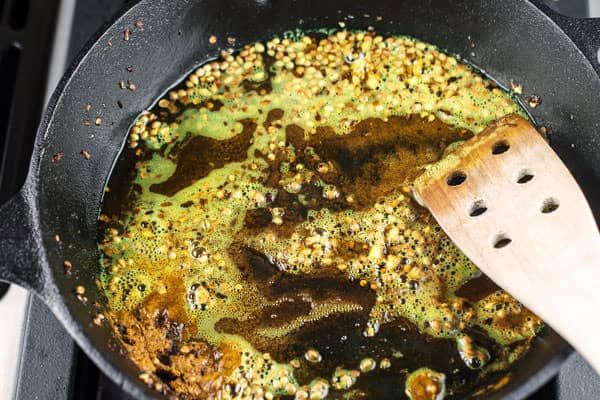
3. Heat the olive oil in a cast-iron skillet on medium. Stir in the garlic, red pepper flakes and coriander seeds. Cook for 2-3 minutes then add the turmeric and the lime juice.


4. Toss in the potatoes, and mix well to coat. Add 1/2 of the fresh cilantro, parsley and fresh dill. Cook for 4 more minutes. Add salt and black pepper to your taste.


5. Remove from heat and top with more red pepper flakes and the remaining fresh herbs. You can serve this potato salad warm or at room temperature.


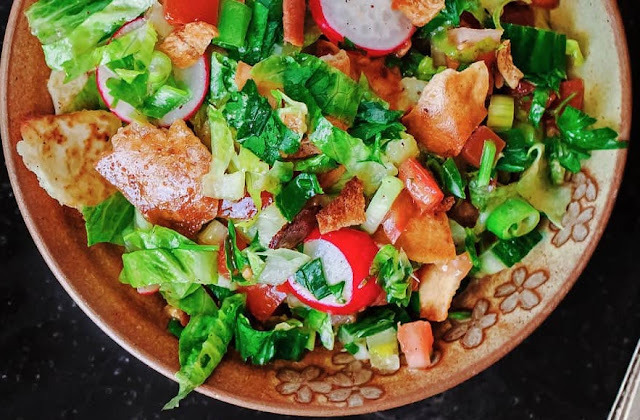
Fattoush


  • 2 loaves pita bread
  • Extra virgin olive oil
  • Kosher salt
  • 2 tsp sumac, divided, more as needed
  • 1 heart of Romaine lettuce, chopped
  • 1 English cucumber, cut in half, seeds scraped, then chopped or sliced into half moons
  • 5 Roma tomatoes, chopped
  • 5 green onions (both white and green parts), chopped
  • 5 radishes, stems removed, thinly sliced
  • 2 cups chopped fresh parsley leaves, stems removed
  • 1 cup chopped fresh mint leaves (optional)

VINAIGRETTE/DRESSING

  • Juice of 1 lemon or 1 1/2 limes
  • 1/3 cup extra virgin olive oil 
  • 1 to 2 tablespoons pomegranate molasses, optional
  • Salt and pepper
  • 1 tsp sumac
  • 1/4 tsp ground cinnamon
  • scant 1/4 tsp ground allspice

INSTRUCTIONS

  1. Break the pita bread into small bite-size pieces. Heat 3 tbsp of olive oil in a large pan until shimmering, and add the pita bread. Fry briefly until browned, tossing frequently. Using a pair of tongs, transfer the fried pita chips to a plate lined with paper towel to drain.  Season with salt, pepper and sumac.
  2. In a large mixing bowl, combine the chopped lettuce, cucumber, tomatoes, green onions with the sliced radish and parsley.
  3. To make the dressing, in a small bowl, whisk together the lemon or lime juice, olive oil, pomegranate molasses (if using), salt, pepper and spices.
  4. Pour toss lightly. Finally, add the pita chips, and more sumac if you like, and toss one more time. Transfer to small serving bowls or plates. Enjoy!

NOTES

  • Variations: fattoush salad dressing often include pomegranate molasses. If that's available to you, add 1 to 2 teaspoons to the dressing, it really does make it extra special.  For the salad, you can also add more herbs or other greens such as arugula (not traditional to fattoush but wonderful!)

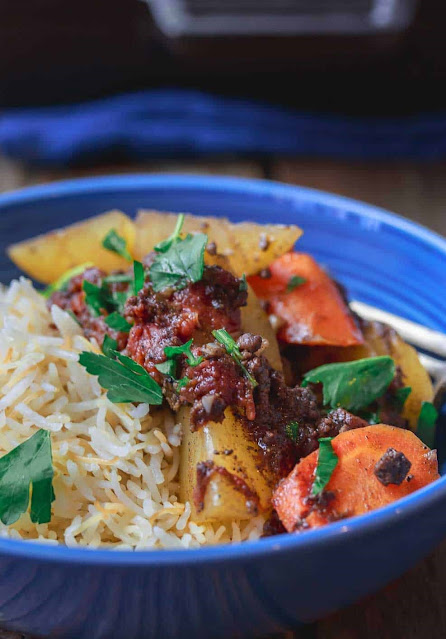
Egyptian Casserole

 Potato wedges are combined with carrots and bell peppers, then topped with a spiced meat sauce and baked until all get crispy.

  • 2 tbsp extra virgin olive oil
  • 1 cup chopped yellow onion
  • 3 garlic cloves, minced
  • 1 lb lean organic ground beef or lamb
  • 1/2 tsp ground cinnamon
  • 1/2 tsp powder ginger
  • 1/2 tsp turmeric 
  • 1/2 tsp powder ginger
  • 1/2 tsp turmeric 
  • 1 tsp cumin
  • 1 1/2 tsp coriander
  • 1/2 tsp sweet or hot paprika
  • Salt and pepper
  • 1 28-oz can peeled tomato
  • 1/2 cup water

For Potatoes

  • 1 1/2 lb gold potatoes, peeled and cut into wedges
  • 3 large carrots, peeled, halved length-wise, then cut into 2-inch pieces
  • 1 green bell pepper, cored and sliced into wide strips
  • Salt and pepper
  • 3/4 tsp allspice
  • 3/4 tsp coriander
  • Water
  • 1/2 cup chopped fresh parsley


INSTRUCTIONS

  1. Heat oven to 375 degrees F.
  2. To make the meat sauce, in a large non-stick skillet, heat 2 tbsp extra virgin olive oil. Add chopped onions and cook, tossing regularly, till translucent. Add garlic and cook for another 30 seconds or so.
  3. Add the ground meat (lean beef or turkey), break it up using a wooden spoon. Season with spices, salt and pepper. Cook, stirring regularly, until fully browned.  Now add the peeled tomatoes and water. Using your wooden spoon, smash or break up the tomatoes a bit. Bring to a boil, then lower heat, cover and let the meat sauce simmer for 10 minutes. Check to see if you might like to add a little more water. Taste and adjust salt and pepper.
  4. In a 9" x 13" baking, arrange the potato wedges, carrots, and bell peppers. Season with salt and pepper. Sprinkle allspice and coriander. Toss to combine. Add about 3/4 cup water, then top with the meat sauce.
  5. Cover the baking pan with foil and bake in heated oven for 30 minutes or so. Uncover and bake for another 10 to 15 minutes on 450 F or until potatoes are golden. Remove from oven and top with fresh chopped parsley.
  6. To serve, add a side of rice, if you like. 


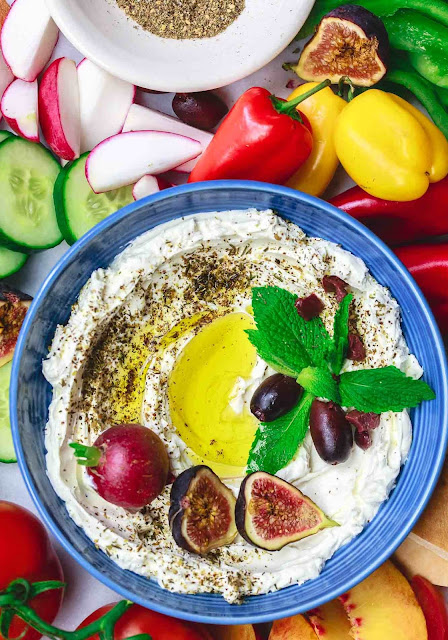
Labneh

Easy Homemade Labneh Recipe. Labneh is Middle Eastern yogurt cheese. A little tangy and super creamy. Takes only a couple steps to make with this easy recipe. 

  • 32 oz whole milk yogurt
  • 3/4 tsp salt

To Serve

  • Extra Virgin Olive Oil
  • Za'atar spice or chopped fresh herbs
  • Warm pita bread
  • Sliced vegetables of choice

INSTRUCTIONS

  1. Pour the yogurt into a large bowl. Stir in salt.
  2. Line another large bowl with a linen or muslin towel (or several layers of cheesecloth.) Pour the yogurt mixture into the towel. Pick up the edges of the towel and tie at the top. Hang from a kitchen sink faucet to drain for 24 to 48 hours. (Alternatively, set a large sieve, lined with linen towel over a deep bowl. Add the yogurt mixture. Cover gently with the overhang of the linen towel, or another linen towel. Set aside on the counter, or in the fridge, to drain for 24-48 hours)
  3. To serve, spread labneh in a bowl and top with extra virgin olive oil, za'atar spice (or chopped fresh herbs like mint or parsley). Add warm pita and fresh veggies for dipping. Enjoy!

NOTES

  • Store labneh in a tight-lid container in the fridge and use as a spread, like any cream cheese. Labneh will keep this way up to 2 weeks. Or, preserve in olive oil for longer. This more labor intensive option works only if the yogurt has been strained for 48 hours forming thicker labneh. At this point, roll the labneh into small 3/4-inch balls. Place on a large tray lined with paper towel, cover with another paper towel and refrigerate overnight. When ready, place the labneh balls in a clean jar and pour excellent quality olive oil, making sure the labneh balls are completely submerged. Cover and refrigerate until needed; it'll be good for months this way. Or leave the jar at room temperature for some weeks (2-4 weeks is safe).

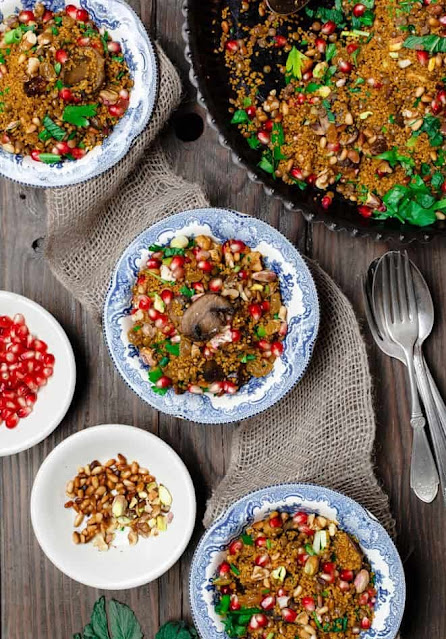
Couscous with pomegranate and lentils


  • 1 cup puy lentils
  • Water
  • Salt
  • 1 2/3 cup vegetable broth
  • 2 cups  couscous 
  • 1/2 tsp turmeric spice
  • Olive oil
  • 8 oz mushrooms, cleaned and sliced
  • 1 small red onion, chopped
  • 3 garlic cloves, chopped
  • 1 1/2 tsp ground cinnamon
  • 1 tsp sweet paprika
  • 1/2 tsp ground green cardamom
  • 1/2 tsp ground coriander
  • 1/2 tsp ground cumin
  • 1/2 tsp freshly ground black pepper
  • 4 tbsp pomegranate molasses
  • Juice of 1/2 lemon
  • 1 bunch fresh parsley, stems removed, chopped
  • 1 bunch fresh mint (about 30 mint leaves), stems removed, chopped
  • 5-6 scallions, tops trimmed, chopped (both white and green parts)
  • Seeds (arils) of 1 large pomegranate, more for garnish
  • 10 Medjool dates, pitted, chopped (figs or dried apricots would work here as well)
  • 1 cup gold raisins
  • 1/2 cup EACH of shelled chopped pistachios, chopped walnuts, toasted pine nuts.

INSTRUCTIONS

  1. Wash the lentils under cold running water. Drain.
  2. Cook the Lentils. Place the lentils in a saucepan and add 3 cups of water. Bring to a boil, then reduce to simmer for 30 minutes until the lentils cook through (they should absorb all the water). Add a pinch of salt and remove from heat.
  3. Cook the couscous. While the lentils are cooking, make the couscous. In a saucepan, bring the vegetable broth to a boil. Remove from heat then stir in couscous, turmeric, pinch of salt, 1/2 tbsp olive oil. Cover and let sit 5 minutes to finish cooking. Fluff with a fork and give it a try. If needed, stir in just a little more boiled vegetable broth.
  4. Make the mushrooms. In a large skillet, heat 2 tbsp olive oil. Add the mushrooms. Cook for 4 minutes on high, tossing occasionally, until the mushrooms begin to gain color. Reduce heat to medium-high, and stir the onions and garlic and cook a couple more minutes.
  5. Now put everything together. In the same skillet, add in the cooked lentils and couscous. Add salt, cinnamon, paprika, cardamom, coriander, and black pepper. Mix the pomegranate molasses and lemon juice with 1 tbsp olive oil, and add the liquid to the skillet with the couscous and lentil mixture. Toss to combine. Cook on medium, stirring regularly until warmed through.
  6. Remove from the heat and add the remaining ingredients. You can transfer to a larger mixing bowl, and using a large wooden spoon, mix to combine. Transfer the couscous to a serving platter and garnish with more pomegranate seeds and nuts.

NOTES

  • Make-ahead instructions: You can do most of this a day or two in advance. Once you cook the lentils,couscous and mushrooms, you can combine them in the skillet and mix in the spices and pomegranate/lemon juice mixture. Let that all cool off and then transfer to a tight-lid container and refrigerate. It's best to add in the fresh herbs, scallions, pomegranate seeds, nuts, and raisins, when you are ready to serve. If you want to serve the couscous warm, take the couscous-lentil mixture out of the fridge a few minutes before heating. Then resume the process at step #5

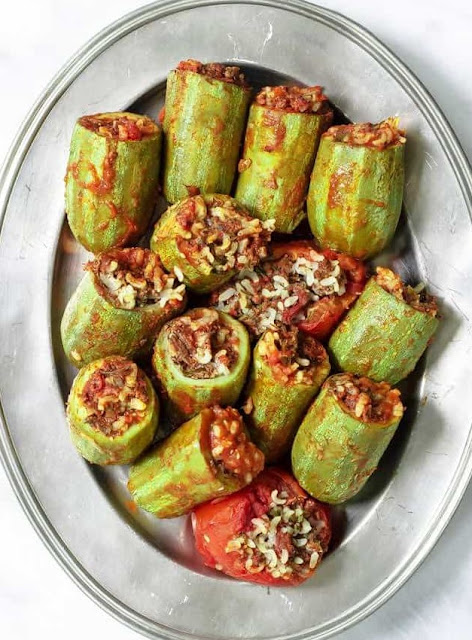
Stuffed Zucchini


  • FOR STUFFING
  • 1/2 cup long-grain rice, rinsed well
  • 1/2 lb lean ground beef
  • 1 small onion, shredded
  • 1/3 packed cup chopped parsley
  • 1/3 packed cup chopped dill
  • 1 can (14.5 oz) diced tomato with juice
  • 1/2 cup water
  • 2 tbsp extra virgin olive oil
  • Scant 1 tsp allspice
  • Scant 1 tsp garlic powder
  • Salt and pepper

For Zucchini 

  • 4 large and very firm tomatoes, divided (3 to be cored and stuffed, and 1 to be sliced)
  • 1 small onion, sliced into rounds
  • 2 1/2 lb Medium-sized zucchini or Middle Eastern zucchini (about 8 or so zucchini), lightly peeled
  • 1 can (14.5 oz) tomato sauce
  • 3/4 cup water


INSTRUCTIONS

  1. In a large bowl, combine the stuffing ingredients of rice, ground beef, shredded onion, fresh parsley, dill, diced tomatoes, water, olive oil, allspice, garlic powder, and salt and pepper. Mix by hand to combine.
  2. Now, remove the top of 3 tomatoes and remove the core to hollow out the tomatoes making room for the stuffing. 
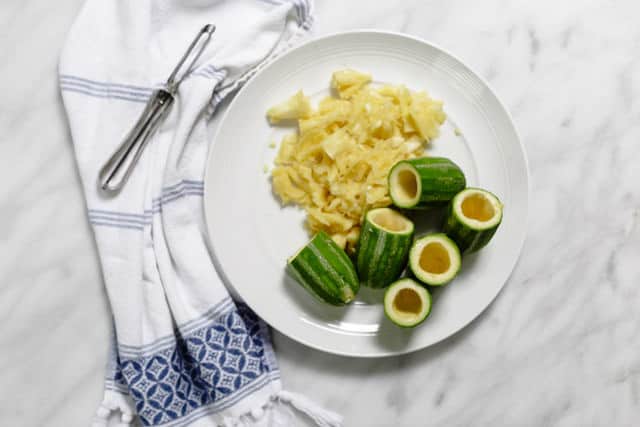
  3. With a knife, remove the very top of the zucchini, then cut each zucchini in half to make shorter zucchini for stuffing. Now you need to hollow out the zucchini to make room for the stuffing.
  4. Insert your corer about 3/4 of the way into the zucchini, making sure not to poke the bottoms. Twist the corer and pull out the zucchini cores or hearts. Do this a few times, and gently scrape the sides of the zucchini until you have hollowed each out making room for the stuffing. You'll want to leave about 1/4 inch rim of zucchini.
  5. Lightly oil the bottom of a large deep cooking pan. Slice the remaining tomato and spread over the bottom of the pan. Now add the onion slices and the cores or hearts of the zucchini. Sprinkle with a little salt and pepper.


6. Now, using your hands, gently stuff the hollowed tomatoes with the rice stuffing. Then loosely stuff the zucchini with the rice stuffing about 3/4 of the way (do not over-stuff or crowd the rice stuffing in the zucchini or it will not cook well).

7. Arrange the stuffed tomatoes in the center of the cooking pan, then add the stuffed zucchini (stuffed side up) around them. Tilt the zucchini a little, this helps them cook nicely through using less liquid.

8. Now add the tomato sauce and water. Sprinkle lightly with salt and pepper.
Place the pan on the stove and cook on medium-high heat until the liquid starts boiling. Turn the heat down, cover and simmer for for 50 minutes until the zucchini is tender and the rice stuffing is fully cooked.

9.Transfer to a serving platter or individual bowls. Top with the sauce from the cooking pan. Enjoy!

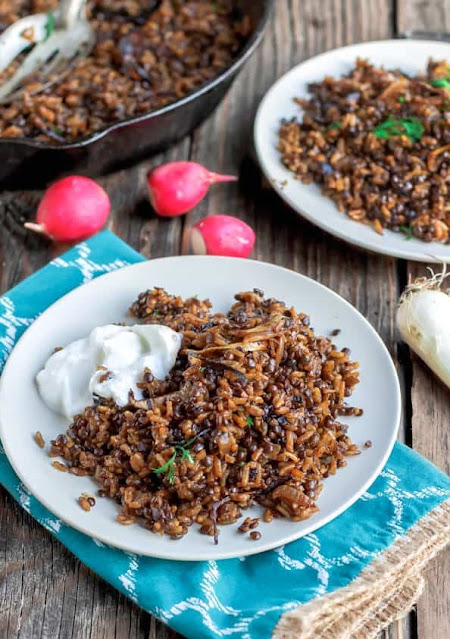
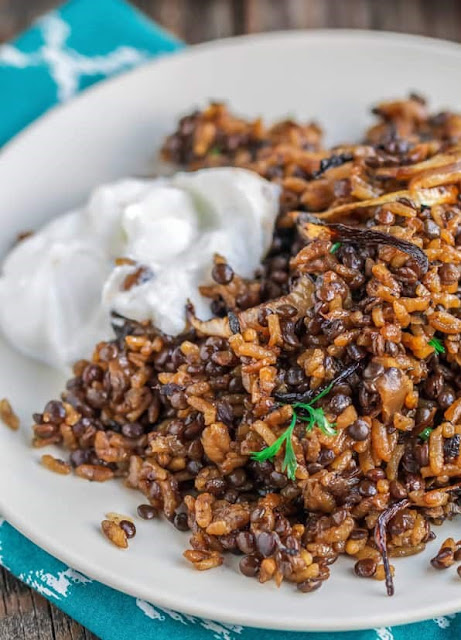
Mujadara (Rice, onions and lentil Lebanese dish)

 Mujadara (mujaddara) is a signature Middle Eastern dish of lentils and rice garnished with crispy onions.

  • 1 cup black lentils, sorted and rinsed
  • 4 cups water, divided
  • 1/4 cup extra virgin olive oil, more for later
  • 2 large yellow onions, diced (4 cups)
  • 1 tsp kosher salt, more to taste
  • 1 cup long-grain white rice, soaked in water for 10-15 minutes and then drained
  • black pepper
  • Parsley or parsley flakes for garnish

FOR THE FRIED CRISPY ONION GARNISH (OPTIONAL)

  • Oil for frying
  • 1 large yellow onion cut in very thin rings

INSTRUCTIONS

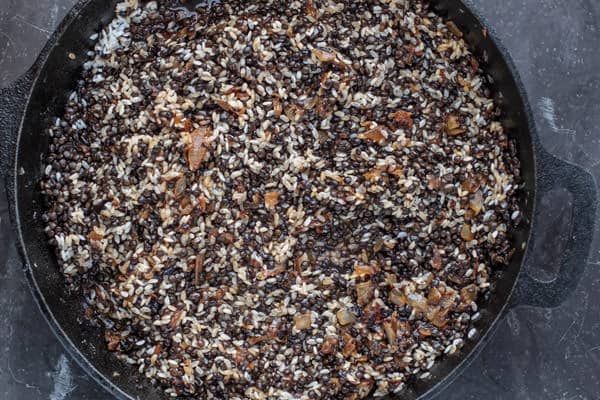
  1. Place the lentils in a small saucepan with 2 cups of the water. Bring the water to a boil over high heat, and then reduce the heat and simmer, cover until the lentils are par-boiled (10-12 minutes). Remove from the heat, drain the lentils and set them aside.
  2. In a large saute pan with a lid, heat the oil over medium-high heat. Add the diced onions and cook until the onions are dark golden brown, darker than typical caramelized onions (about 40 minutes), sprinkle the onions with a teaspoon of salt as they cook.


  3. Carefully pour the remaining 2 cups of water, bring the water to a boil over high heat, and then reduce the heat to low and simmer for 2 minutes. Stir the rice and par-cooked lentils into the onion mixture. Cover and bring back to a boil. Stir in a healthy pinch of salt and the black pepper. Reduce the heat to low, cover, and cook until the liquid has been absorbed and the rice and lentils are both cooked through (about 20 minutes). Remove from the heat and season with salt and pepper to taste. Serve the Mujadara hot or at room temperature with a drizzle of extra virgin olive oil and parsley garnish, if you like.

4. If you are adding the the fried onions, heat the oil over medium-high heat (to 375 degrees F) in a saucepan. When a small piece of onion bubbles vigorously, the oil is ready. Fry the onions in batches until they are golden brown. Transfer the onions to a paper towel-lined plate or try, and then arrange them on top of the Mjuadara.
5. Enjoy!